
Expert Advice on Building Safety and Security in Australian Facilities


Understanding the Importance of Building Safety and Security
Ensuring the safety and security of facilities is a critical concern for businesses and organizations across Australia. It involves implementing measures that protect both the occupants and the infrastructure from various threats. From natural disasters to potential intrusions, the need for robust safety protocols cannot be overstated.
Building safety encompasses several dimensions, including structural integrity, fire safety, and emergency preparedness. Security, on the other hand, focuses on preventing unauthorized access and safeguarding against theft or vandalism. Together, these elements form a comprehensive approach to maintaining a secure environment.
Key Components of Building Safety
Structural Integrity
Structural integrity is foundational to building safety. Ensuring that a facility can withstand environmental stresses, such as storms or earthquakes, is vital. This involves using quality materials and adhering to rigorous construction standards. Regular inspections and maintenance play a crucial role in identifying and addressing potential weaknesses.
Fire Safety Measures
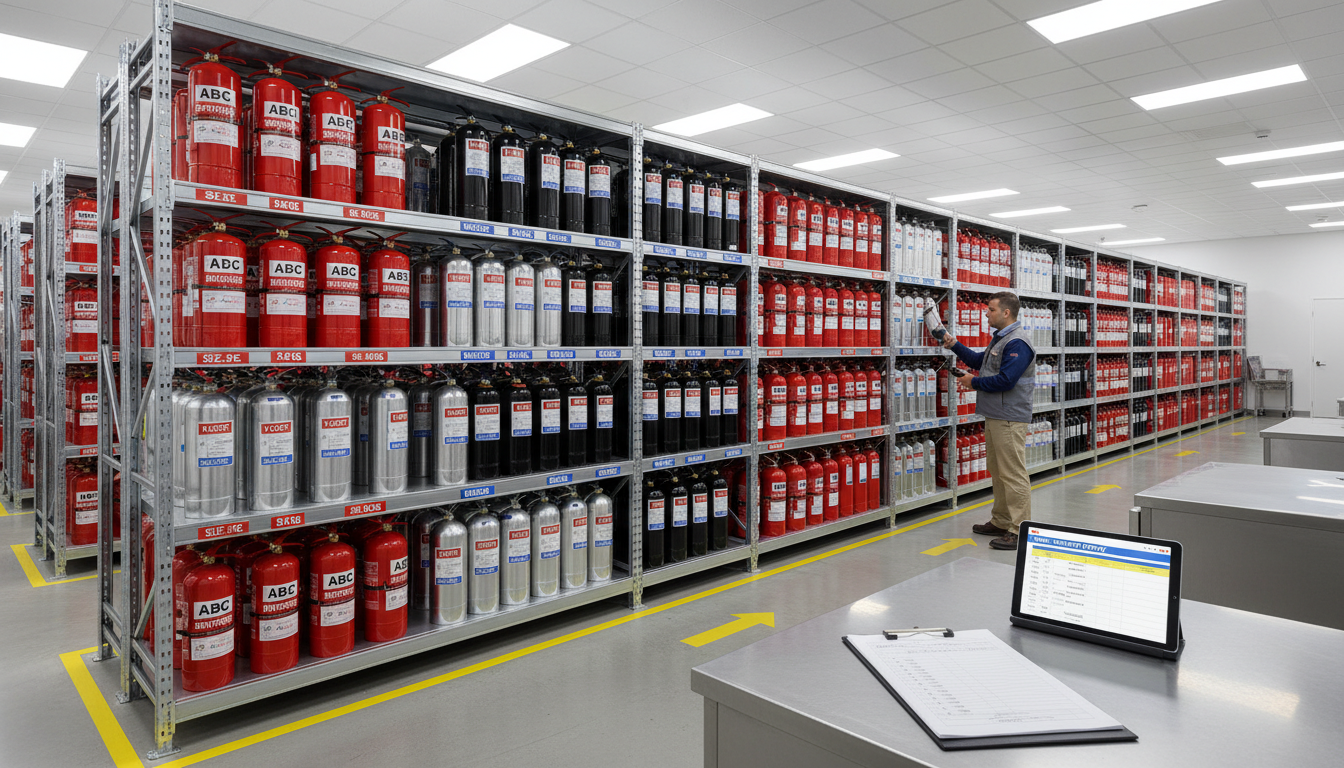
Fire safety is another essential aspect. Installing smoke detectors, fire alarms, and sprinkler systems can significantly reduce risks. Additionally, conducting regular fire drills and ensuring clear evacuation routes can enhance preparedness and response during emergencies.
Enhancing Building Security
Access Control Systems
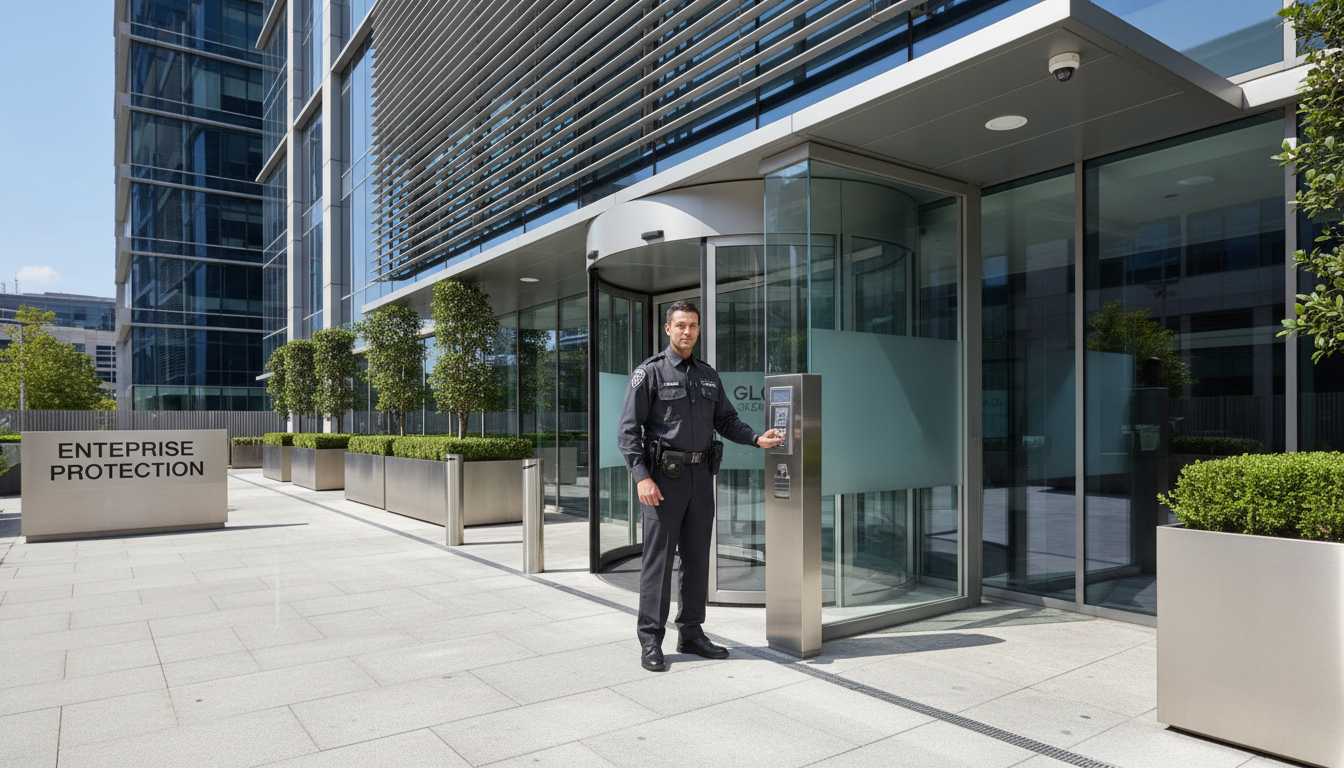
Access control systems are vital in preventing unauthorized entry. Implementing technologies such as key card systems, biometric scanners, and surveillance cameras can help monitor and control who enters and exits the premises. These systems not only enhance security but also provide valuable data for incident investigations.
Surveillance and Monitoring
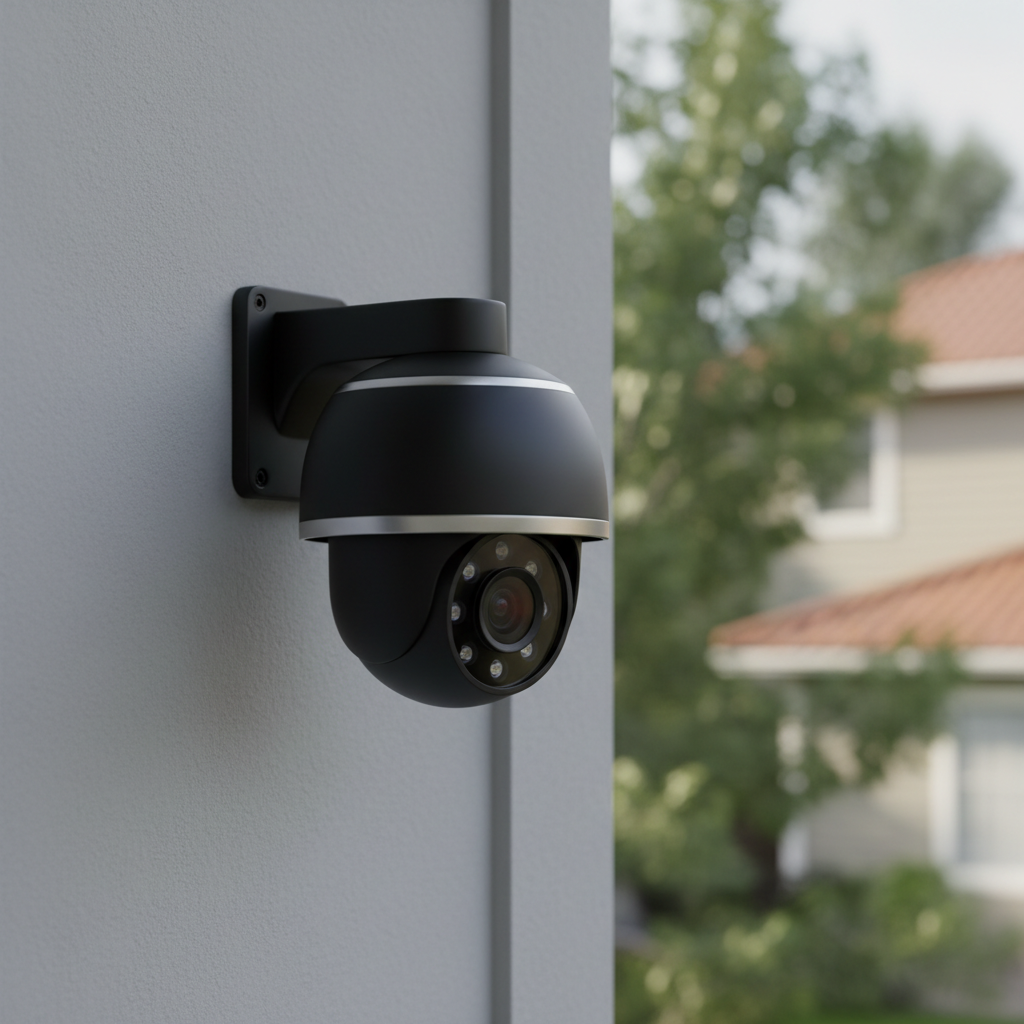
Continuous surveillance and monitoring are crucial for maintaining security. Utilizing high-resolution cameras and real-time monitoring systems allows for immediate detection of suspicious activities. Integrating these systems with security personnel ensures a swift response to potential threats.
Emergency Preparedness and Response
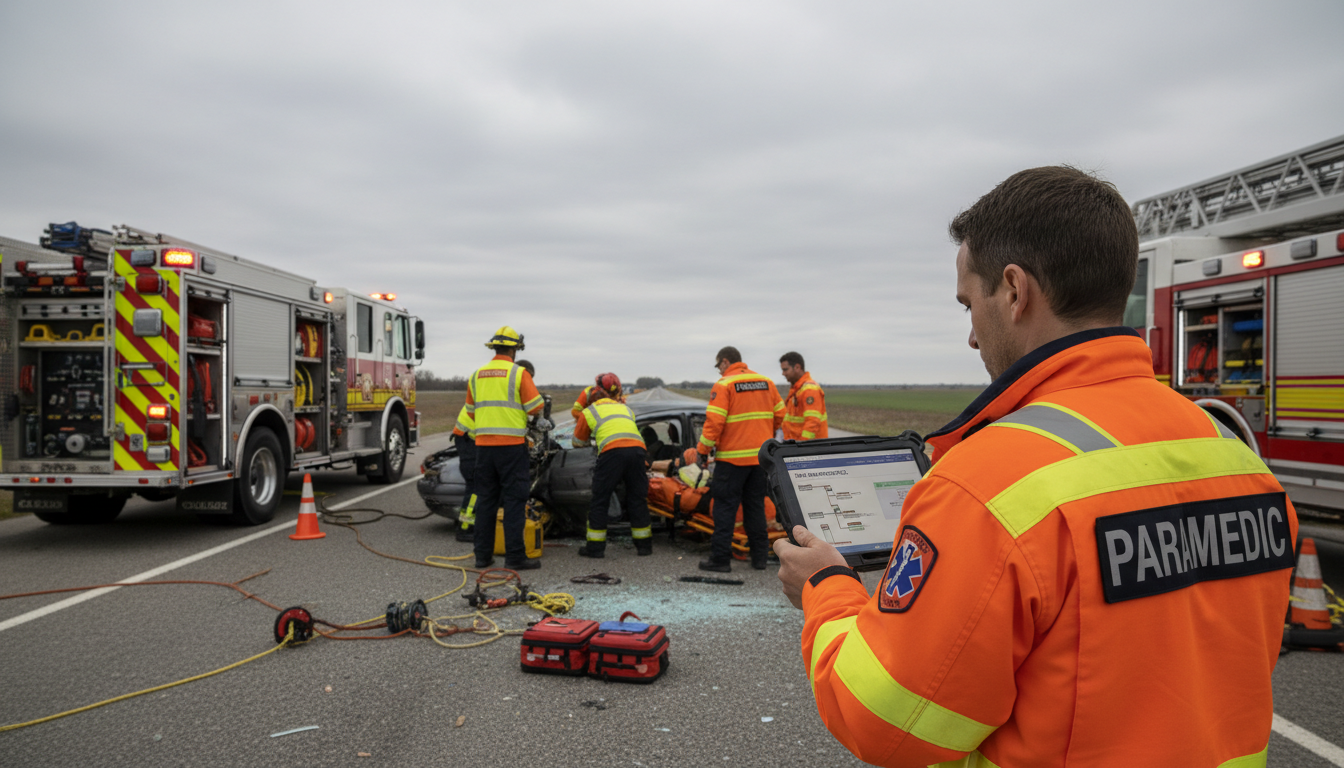
Being prepared for emergencies is an integral part of building safety and security. Establishing an effective emergency response plan ensures that all occupants know how to react in crises. Regular training and drills help reinforce these plans, making them second nature to employees and visitors.
Additionally, communication systems should be in place to quickly disseminate information during emergencies. This includes public address systems, mobile alerts, and other communication tools to keep everyone informed and coordinated.
Conclusion: Proactive Measures for Safety and Security
Building safety and security require a proactive approach. By integrating advanced technologies, regular training, and comprehensive planning, facilities can create a safe and secure environment. These efforts not only protect assets and individuals but also promote a culture of safety and vigilance.
Investing in building safety and security is not just about compliance—it's about ensuring peace of mind and fostering trust among occupants and stakeholders. As threats evolve, so too must the strategies and technologies we employ to safeguard our facilities.