
How to Effectively Manage Defects in Building Management


Understanding Building Defects
Building defects are issues that arise in a structure, compromising its integrity, safety, or functionality. These defects can be due to poor design, substandard materials, or shoddy workmanship. It is crucial for building managers to identify and address these defects promptly to avoid further damage and ensure occupant safety.
Common building defects include cracks in walls, water leaks, and faulty electrical systems. Understanding the root cause of these issues is the first step in effectively managing them. By doing so, building managers can implement appropriate solutions and maintain the structure's longevity.
Identifying Defects
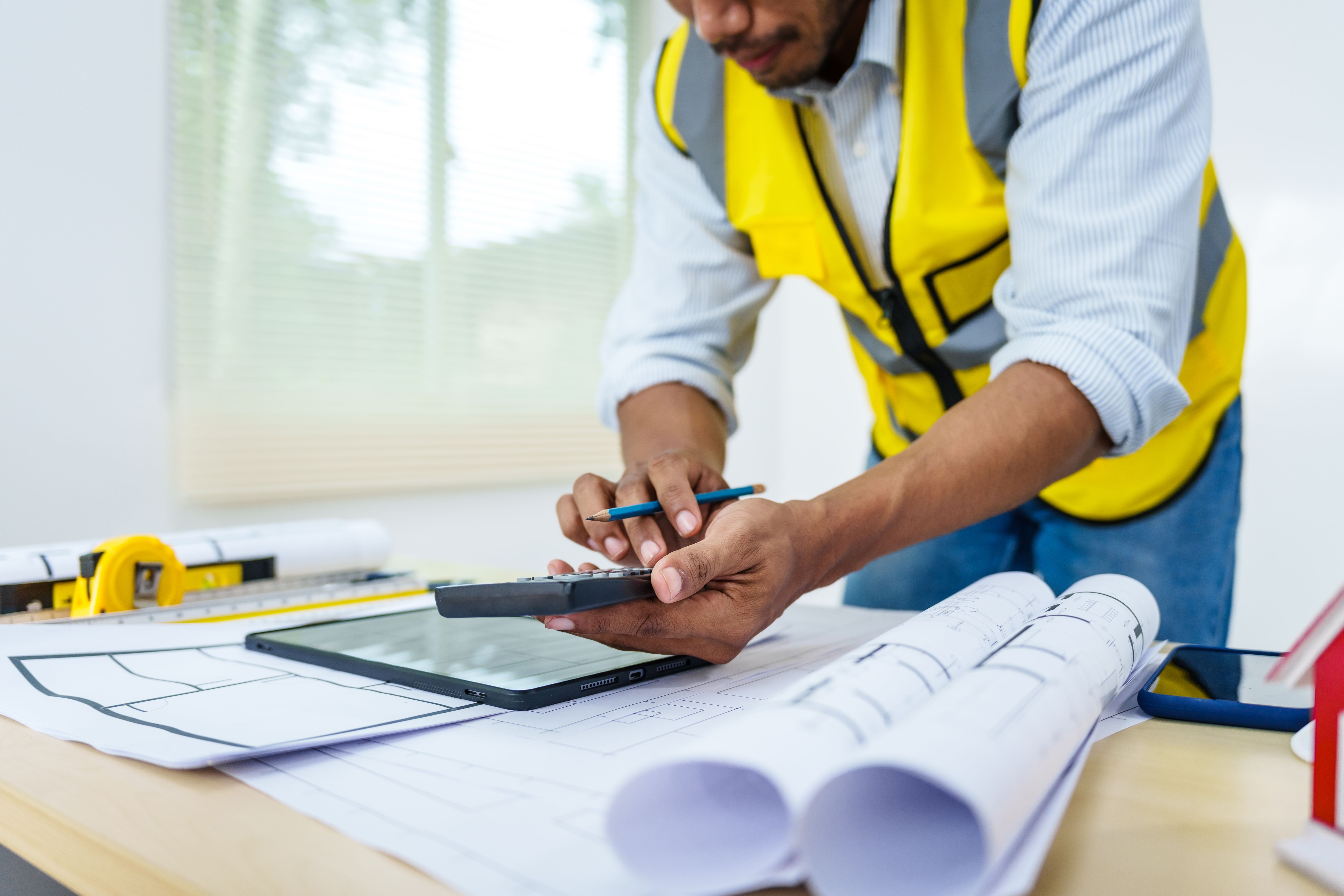
Regular inspections are vital in identifying building defects early. Inspections should be conducted by qualified professionals who can spot potential issues before they escalate. During inspections, focus on structural elements, plumbing, electrical systems, and other critical areas.
Documentation is another key aspect of identifying defects. Keeping detailed records of inspections, repairs, and maintenance activities helps in tracking recurring issues and planning future interventions.
Prioritizing Repairs
Not all defects require immediate attention. Building managers should prioritize repairs based on the severity and impact of the defect. Safety-related issues, such as structural weaknesses or electrical faults, should be addressed promptly to prevent accidents or further damage.
For less critical defects, managers can schedule repairs based on budget constraints and resource availability. Creating a prioritized repair schedule ensures that urgent issues are dealt with swiftly while less pressing matters are handled in due course.
Implementing Preventative Measures
Preventative measures are essential in reducing the occurrence of defects. Regular maintenance, such as cleaning gutters, checking for leaks, and servicing HVAC systems, can prevent minor issues from becoming major problems.
Additionally, investing in quality materials and skilled labor during construction and renovations can significantly reduce the likelihood of defects. When possible, opt for materials with a proven track record of durability and reliability.
Engaging Professionals
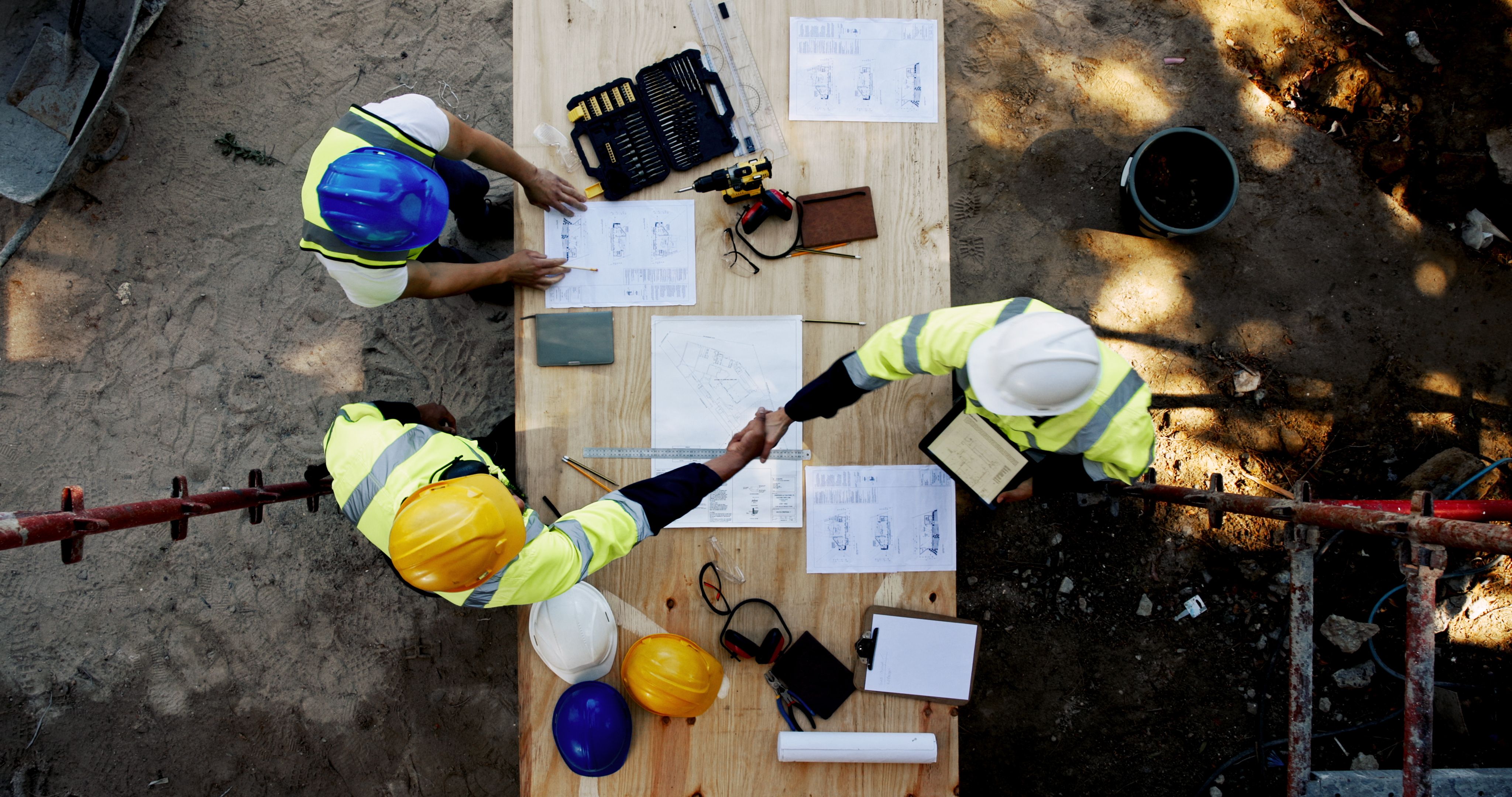
When defects are beyond the scope of in-house capabilities, engaging professional contractors or consultants is advisable. These experts bring specialized knowledge and experience, ensuring that repairs are done correctly and efficiently.
Choosing the right professionals involves checking their credentials, reviewing past work, and seeking recommendations. This due diligence helps ensure that you hire competent individuals who will deliver quality results.
Enhancing Communication
Effective communication among stakeholders is crucial in managing building defects. Building managers should keep open lines of communication with tenants, contractors, and maintenance staff. Regular updates and transparency help build trust and facilitate smooth operations.
Encouraging feedback from occupants can also provide valuable insights into potential defects and help prioritize repair efforts. A proactive approach to communication can prevent misunderstandings and foster a collaborative environment.