
Myth-Busting: Common Misconceptions About Waste Management in Australia


Understanding Waste Management in Australia
Waste management is a crucial aspect of environmental sustainability, yet several misconceptions persist about how it functions in Australia. By debunking these myths, we can better appreciate the efforts and innovations driving waste management initiatives across the country.

Myth 1: Recycling Is the Ultimate Solution
Many Australians believe that recycling is the definitive answer to waste problems. While recycling is essential, it is not the only solution. The waste hierarchy emphasizes reduce, reuse, and recycle, in that order. Reducing consumption and reusing materials play significant roles in minimizing waste generation before recycling even comes into play.
Myth 2: All Plastics Are Recyclable
It's a common misconception that all plastics can be recycled. In reality, only specific types of plastics are recyclable through local council programs. Understanding the differences between recyclable and non-recyclable plastics can help reduce contamination in recycling bins, ensuring that recyclable materials are processed efficiently.

Myth 3: Waste Management Is Uniform Across Australia
Another misconception is that waste management practices are the same everywhere in Australia. In truth, waste management is typically handled at the local council level, resulting in variations in services, guidelines, and capabilities. Residents should familiarize themselves with local rules to ensure they are disposing of waste appropriately.
Myth 4: Waste-to-Energy Is Not Environmentally Friendly
Some people believe that waste-to-energy processes are harmful to the environment. However, when managed correctly, these technologies can convert waste that would otherwise go to landfill into usable energy, thereby reducing greenhouse gas emissions. They are a valuable part of an integrated waste management strategy.
Myth 5: Landfills Are a Thing of the Past
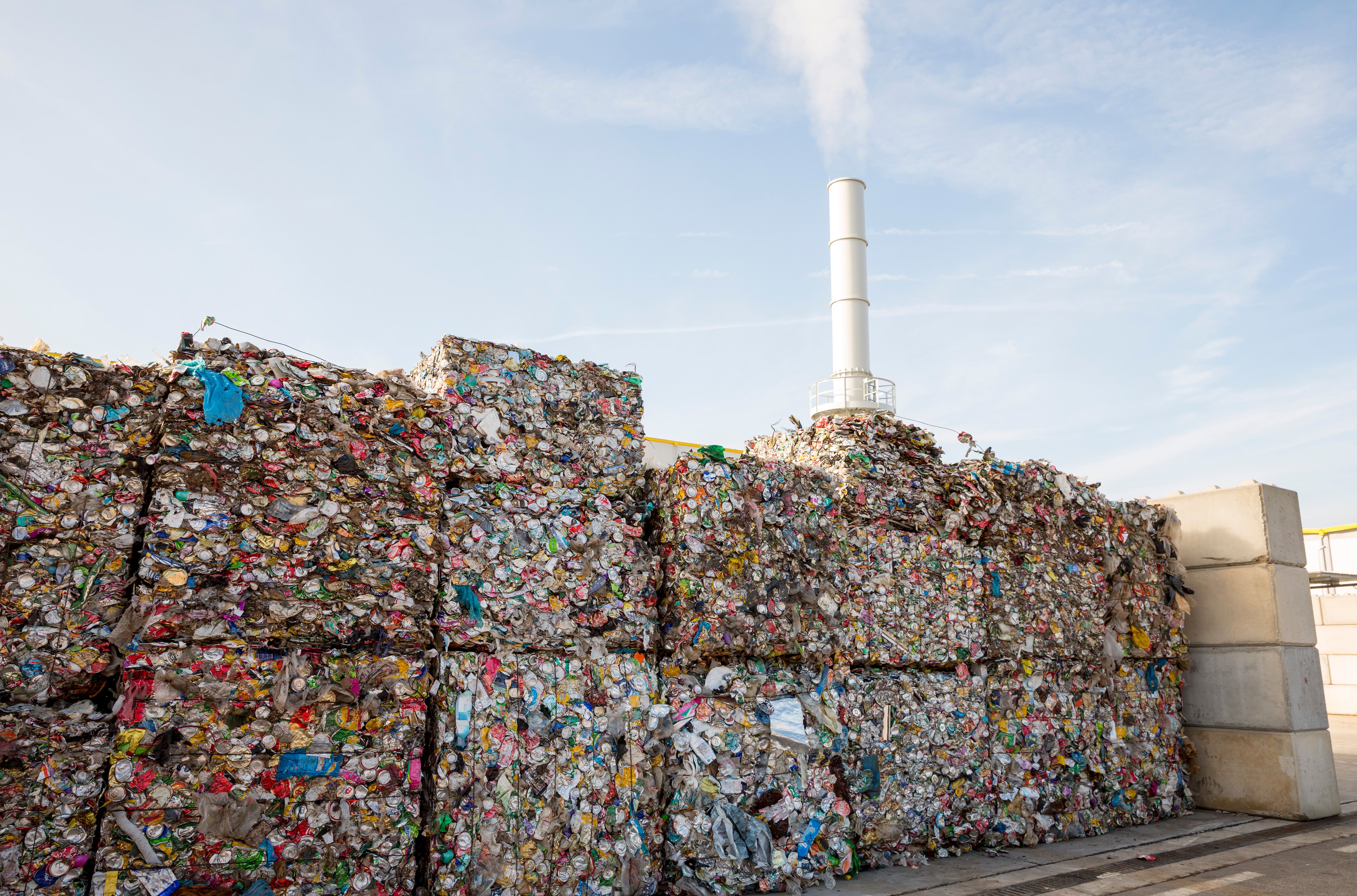
While significant strides have been made to reduce reliance on landfills, they still play a role in managing waste that cannot be processed in other ways. Modern landfills are designed to minimize environmental impact, incorporating methods to capture methane emissions and prevent groundwater contamination.
Myth 6: Composting Is Only for Gardeners
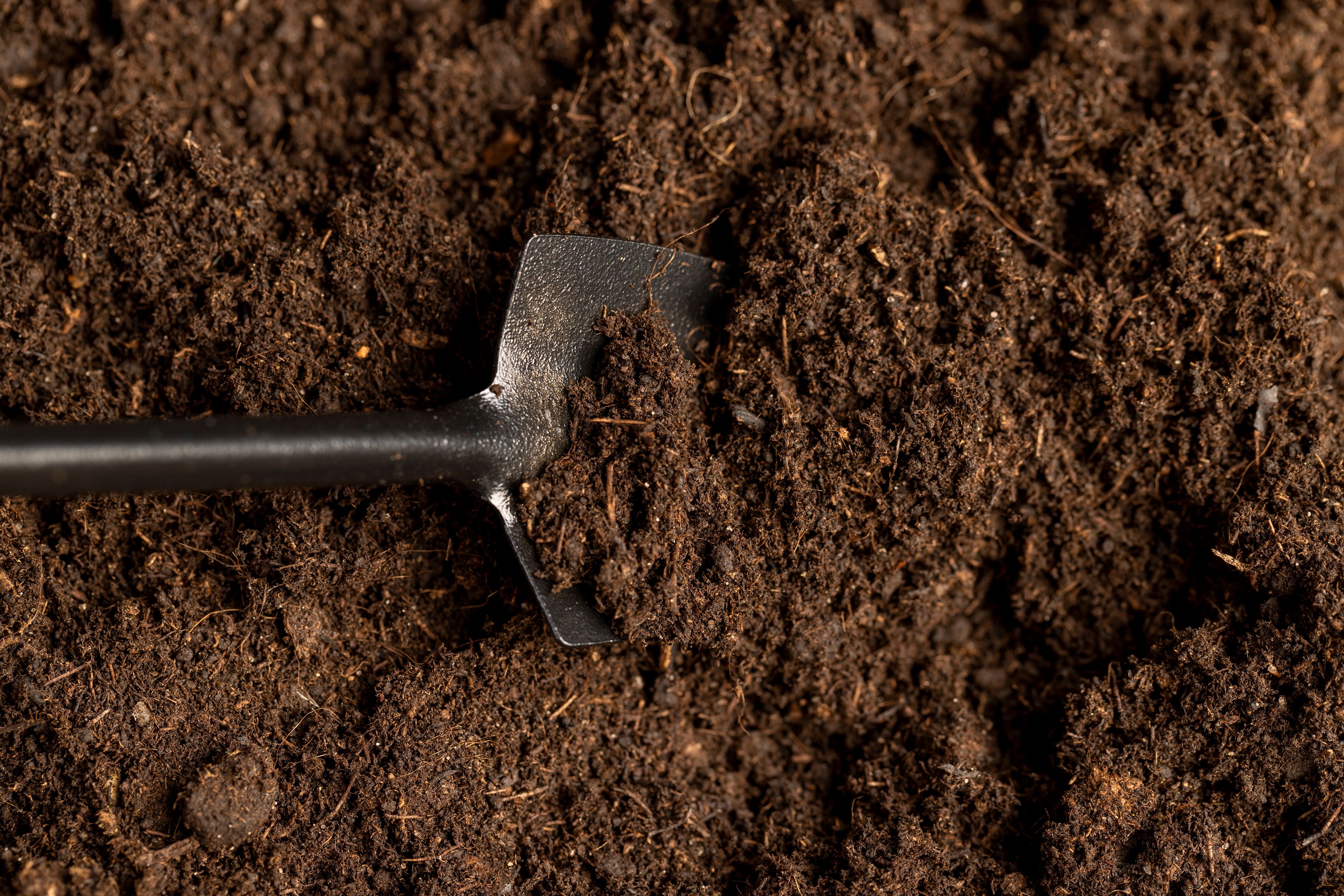
Composting is often viewed as an activity solely for gardening enthusiasts. On the contrary, composting is a practical way for households to reduce food waste, contributing to nutrient-rich soil and reducing the burden on municipal waste management systems. Many councils offer programs to encourage and facilitate composting.
Conclusion
Understanding the realities of waste management in Australia helps dispel myths and encourages more sustainable practices. By recognizing the complexities and contributions of various waste management strategies, Australians can actively participate in creating a more sustainable future.