
Safety and Security Tips for Australian Building Managers


Building managers in Australia face unique challenges when it comes to ensuring the safety and security of their properties. From maintaining compliance with local regulations to implementing effective security measures, there are many factors to consider. Here are some essential tips to help building managers maintain a safe and secure environment.
Understanding Local Regulations
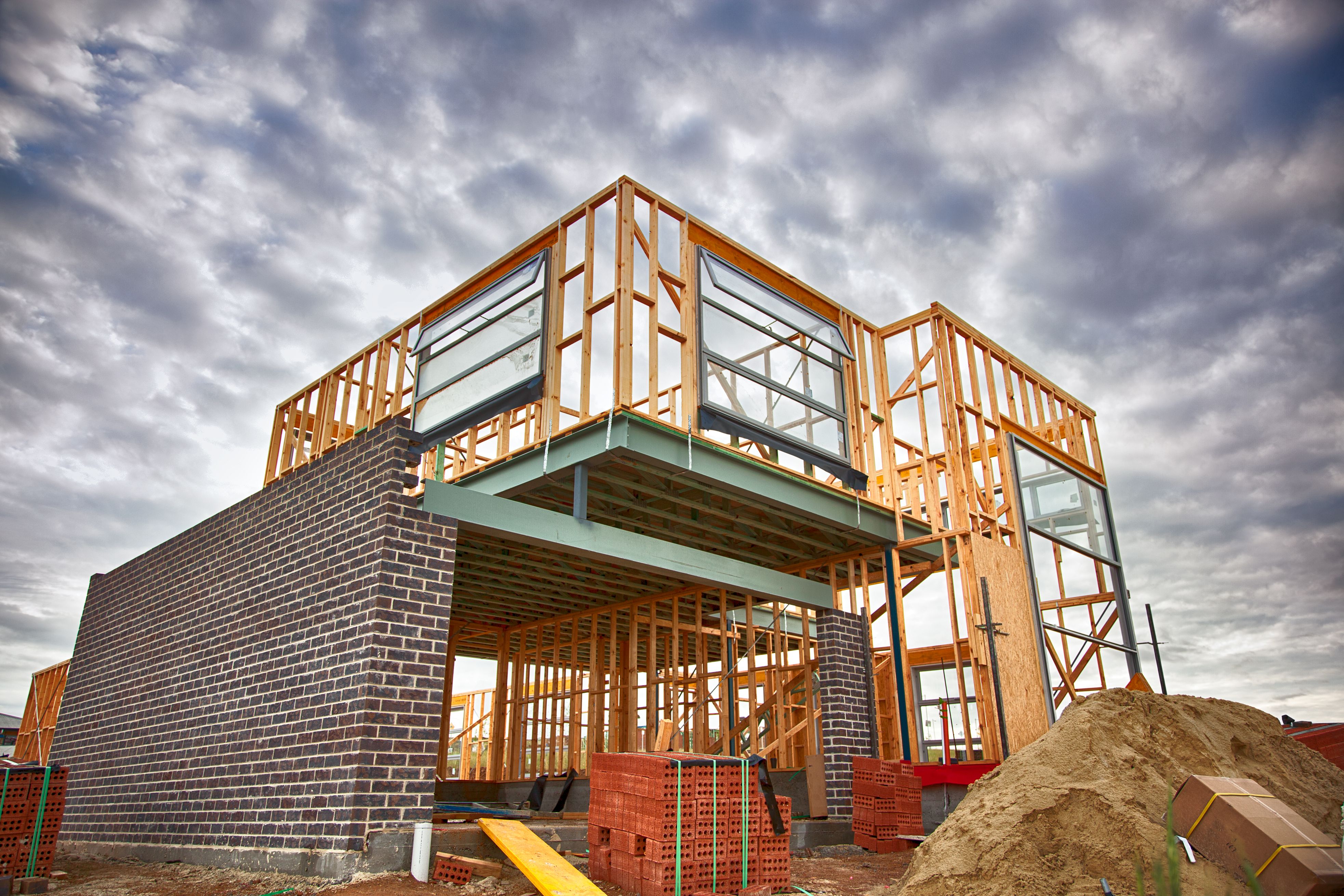
Compliance with local laws and regulations is crucial for building managers. It's essential to stay updated with the latest changes in safety codes and requirements. Regularly review regulations from local councils and government bodies to ensure your building meets all necessary standards.
Engage with local authorities and attend industry seminars or workshops to gain a deeper understanding of the regulatory landscape. This proactive approach will help you implement necessary changes efficiently and avoid potential legal issues.
Implementing Access Control Systems
One of the most effective ways to enhance security in a building is through access control systems. These systems can restrict entry to authorized personnel, preventing unauthorized access and potential security breaches. Consider using key cards, biometric scanners, or mobile access solutions to manage entry points efficiently.
Regularly update access permissions and conduct audits to ensure that only authorized personnel have access to sensitive areas. This will help maintain a secure environment for both tenants and staff.
Enhancing Surveillance Measures
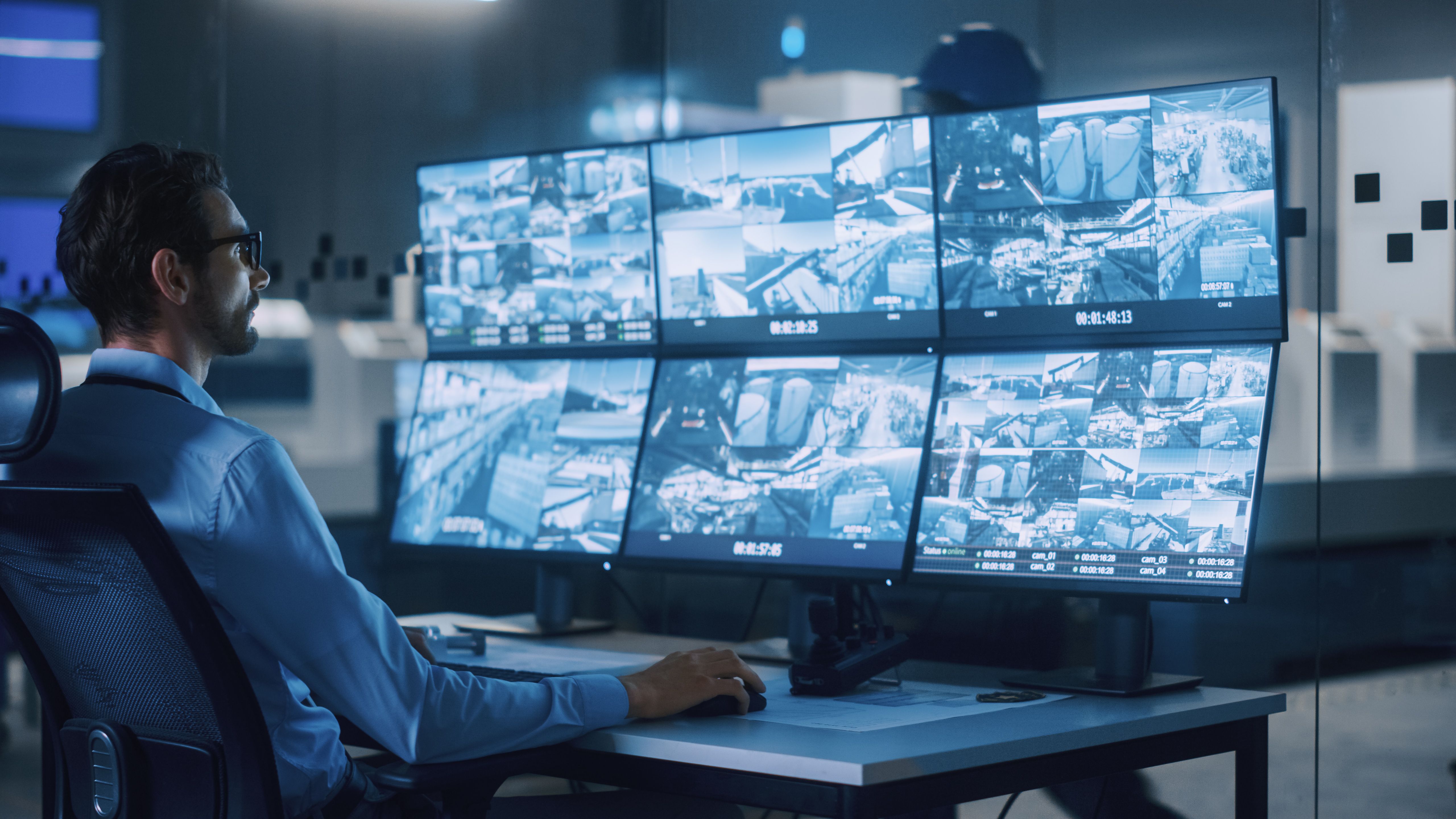
Surveillance cameras play a vital role in monitoring activities within and around the building. Strategically place cameras in high-traffic areas, entrances, and exits to deter criminal activity and provide valuable evidence if an incident occurs.
Ensure that all cameras are functioning correctly and regularly maintain them to prevent technical issues. Utilize modern surveillance technologies like motion detection and remote monitoring for enhanced security.
Emergency Preparedness
Emergency situations can arise unexpectedly, so it's crucial to have a comprehensive emergency response plan in place. Conduct regular drills and training sessions for staff and tenants to ensure everyone knows how to react in case of an emergency.
Equip the building with necessary safety equipment such as fire extinguishers, first aid kits, and evacuation maps. Regularly inspect and maintain these tools to ensure they are ready for use when needed.
Building a Security-Conscious Community
Fostering a culture of security awareness among tenants and staff can significantly enhance the building's overall safety. Encourage open communication and collaboration to identify potential security threats and develop effective solutions.
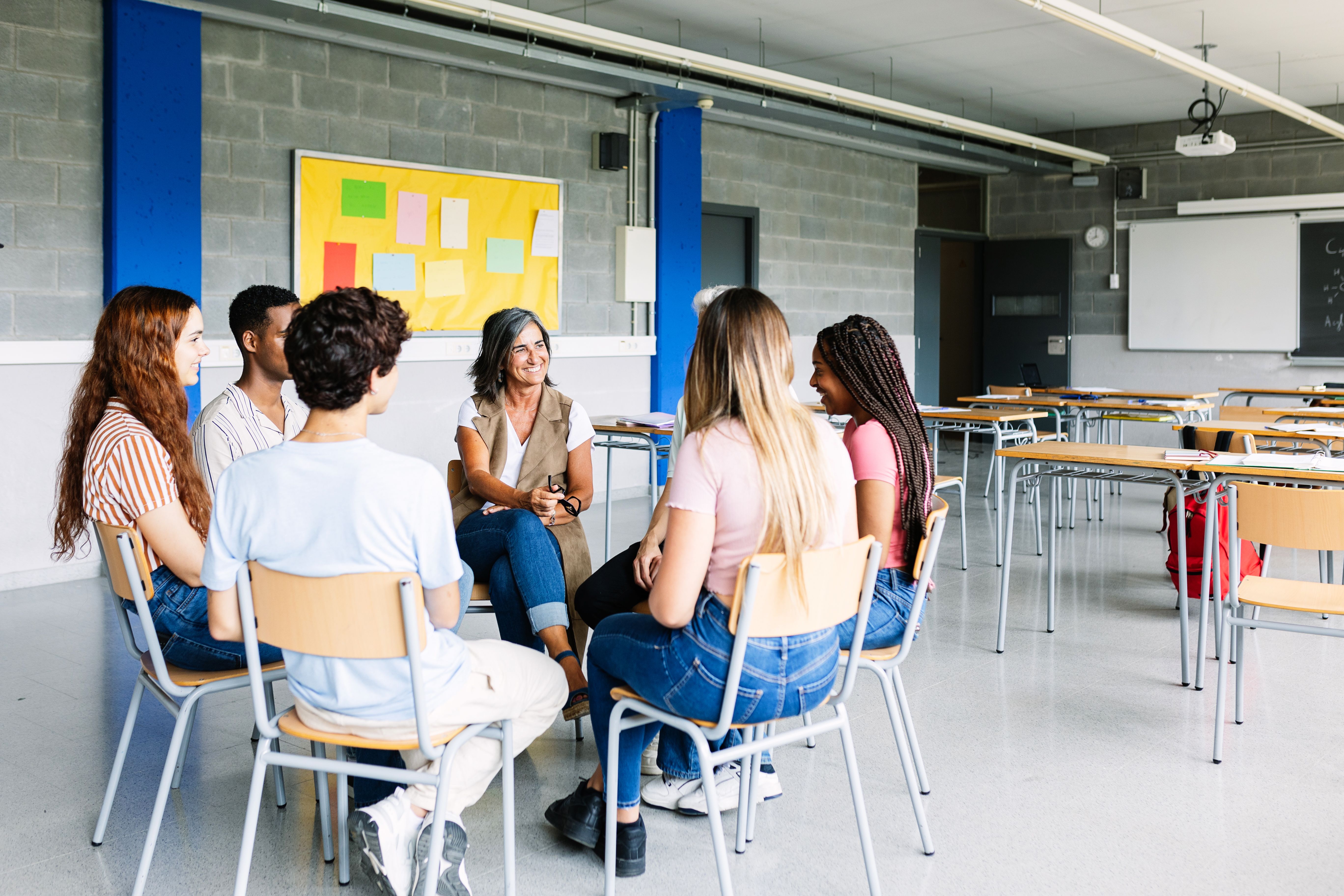
Host regular meetings or workshops to educate everyone about security protocols and encourage them to report any suspicious activities. By working together, you can create a safer environment for everyone.
Regular Maintenance and Inspections
Regular maintenance and inspections are essential to ensure the building's safety features are functioning correctly. Conduct routine checks on fire alarms, sprinkler systems, and other critical infrastructure to prevent malfunctions.
Address any maintenance issues promptly to avoid potential hazards and ensure the building remains compliant with safety regulations. This proactive approach will help maintain a secure environment for all occupants.